
Blenheim Warrant Records and Census Context
Blenheim counted 115 residents in the 2020 Census incorporated-place table. That figure ranks the town by population and nothing else. It says nothing about warrant volume, police staffing, or which court holds a docket. The municipal-association directory is only a town-contact lead. It is not a warrant portal and not a court docket. The Census Bureau's incorporated-place table supplies the population reference for Blenheim.
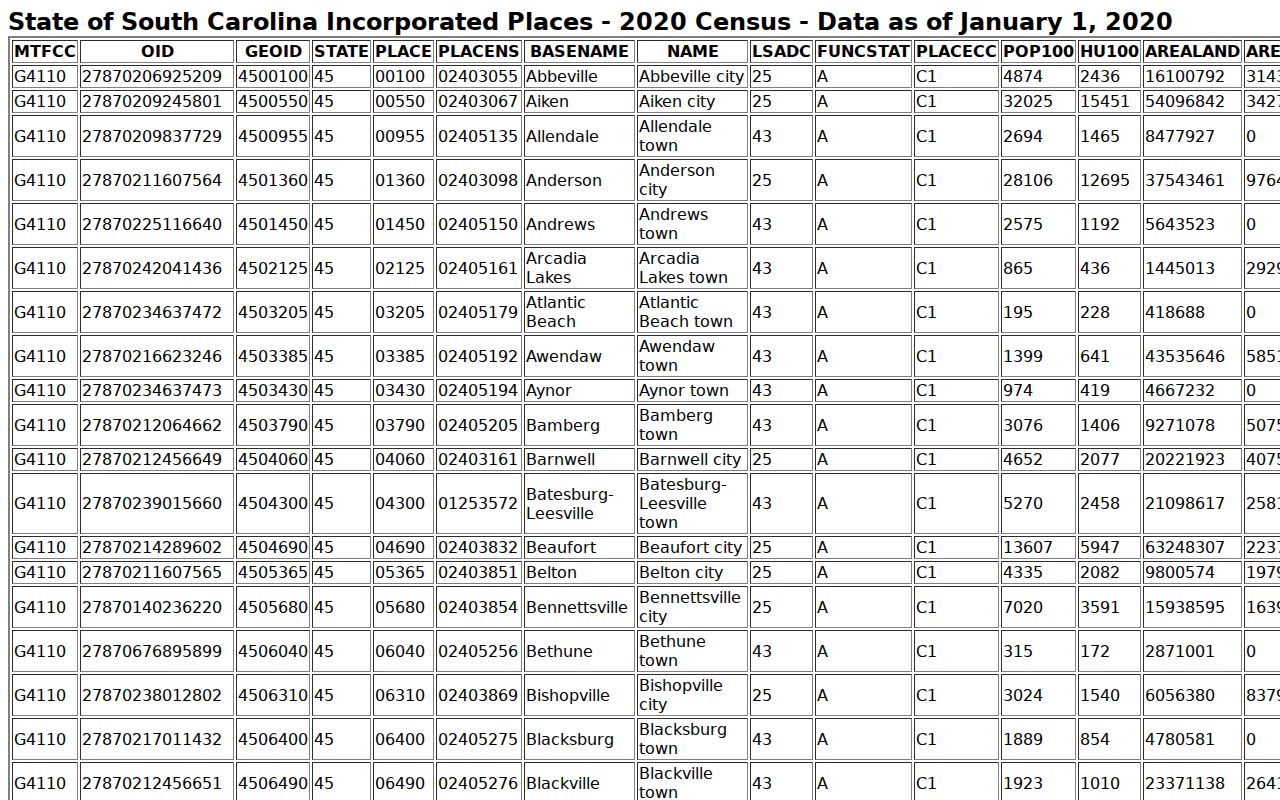
The table describes the incorporated place of Blenheim only; it holds no court, police office, or warrant count.
Checking for a Warrant in Blenheim
Start with the document in front of you. The local issuing office is not confirmed in the directories travelers usually check. The South Carolina traffic search can find a ticket by citation number, license and state, or name and date of birth, but a blank result does not rule out every bench warrant.
- Read the municipality, court, and number on the ticket or notice.
- Search the official traffic interface if the paper is a citation.
- If no result appears, call the issuing court or agency printed on the document.
- Ask whether a missed date created a bench-warrant event.
- If the issuer is unclear, use the conditional county contact route below or the county overview.
Blenheim Warrant Routing Has a Court Gap
The South Carolina Judicial Branch directory lists Bennettsville, Clio, and McColl municipal courts but shows no Blenheim entry. Treat that as a directory gap, not proof that no court function or shared service exists. Check the official municipal-court directory and confirm any town arrangement with an official office before visiting.
Blenheim Police and Municipal Court
The state law-enforcement directory lists no Blenheim Police Department. The Judicial Branch list shows no Blenheim Municipal Court either. Until an official source confirms a contact, treat any chief, clerk, phone number, or session calendar for the town as unverified.
Research gap: The checked official directories do not verify a separate Blenheim court or police contact. Ask the town to identify any shared service and follow the issuer shown on the notice.
Blenheim Warrant Search Uses State Traffic Fields
For a traffic ticket, the state interface lets you search by citation number, driver's license and state, or name and date of birth. State guidance says a new ticket takes three to five business days to appear. A blank result can mean delay, a spelling mismatch, or a different issuing court. Call the court named on the citation whenever the search returns nothing. The town posts no Blenheim payment page.
Blenheim Warrant Types
The record type follows the paper and the issuer. A citation usually marks a traffic matter. Miss a court date, and a bench warrant may follow. An arrest warrant runs through a separate state process. Since no Blenheim court listing is verified, the table names these warrant categories without pinning them to an unconfirmed town court.
| Record | Possible route | What to confirm |
|---|---|---|
| Traffic citation | State search, then named court | Ticket entry and issuer |
| FTA event | Court that set the appearance | Whether a bench warrant followed |
| Arrest warrant | Issuing judicial officer | Case number and current court action |
| Historical record | Named public-records office | Whether a non-exempt record exists |
Blenheim Warrant Questions Need an Issuer Check
A town name alone does not identify the court. The ticket may name a municipal, Magistrate, or other court. Ask the named clerk whether the case sits in its file and what a docket event means. Police records and court status are different questions. Keep the date, ticket number, and court name together, and never assume the closest listed municipal court owns a Blenheim matter.
Inside a Blenheim Warrant Record
No Blenheim warrant form, sample number, public status field, or local roster is published. A warrant record may hold a court, case or ticket reference, charge, date, bond entry, and a later return or court event. Ask the issuer for its current wording.
| Case reference | Use the number printed on the notice; no local format was documented. |
|---|---|
| Issuing court | Follow the named court rather than assuming a town court. |
| Charge or event | Ask the clerk whether it is a ticket, FTA, or warrant event. |
| Bond or fine | Only the issuing court can explain its current order. |
| Status | Confirm active, served, returned, or recalled with the clerk. |
Blenheim Warrant Office Path Needs Confirmation
The town name alone cannot show which office holds a Blenheim matter. No verified court or police contact exists for it. Ask the office printed on a citation whether it runs a shared or contracted docket. If no issuer is named, search the state traffic interface and confirm the court shown in any result.
Where Blenheim Warrants Fit With Marlboro County
Use the paper to place the case in a municipal, Magistrate, or circuit court. A county summary matter belongs to the Magistrate/Bond Court. A General Sessions case goes to the Clerk. These are fallbacks only when the issuing court is unclear. See Marlboro County warrant records for the full county route through Blenheim and its neighbors.
Blenheim Warrant Records Need Narrow Requests
For historical or aggregate material, a South Carolina FOIA request should name the office, record type, and date range. Ask whether a non-exempt record already exists, and request a fee estimate. Blenheim posts no request form, fee schedule, or online warrant list. A request cannot force a court to build a live roster. Sealed, juvenile, investigative, and private identifier fields may be withheld or redacted.
Public Access to Blenheim Warrant Records
South Carolina's public-record law covers records held by the relevant public body, within statutory limits. Ask the actual issuing office about a court file. A directory gap or missing web result is neither a records denial nor proof that no warrant exists. Confirm with the office itself before drawing any conclusion.
Key rules:
S.C. Code § 30-4-30 sets the inspection and copying framework, subject to the limits that follow.
S.C. Code § 30-4-40 lists exemptions that may apply.
South Carolina juvenile law protects specified juvenile records.