
Marlboro County Arrest Warrant Requests
Magistrates hold the arrest-warrant power in South Carolina under Code § 22-5-110. Law enforcement asks for one with a sworn showing, and the summary-court form folds a written affidavit into the charging paper. A summons may be used instead where law allows. Ask the issuing clerk which process and case number the file carries; Marlboro County posts no public arrest-warrant roster.
Marlboro County Arrest Warrants Explained
An arrest warrant is judicial process tied to a charge and the issuing court. A bench warrant is different, since it usually follows a missed court obligation. One can sit in a file without telling you whether it was served, returned, recalled, or quashed. In Marlboro County the route depends on the court. Magistrate Court handles summary matters. Municipal judges hold local authority, and serious cases move to General Sessions.
Marlboro County Arrest Warrant Affidavit Process
The affidavit is part of the statutory process, but seeing one depends on the court file and any sealing or investigative limits. South Carolina Code § 30-4-40 lists exemptions that can apply to a given record, so do not assume every affidavit is public or every warrant is sealed. Ask the Marlboro County clerk whether a non-exempt copy or a public case entry exists. Keep private identifiers and case narratives out of any request.
Inside a Marlboro County Arrest Warrant
A blank warrant's fields explain the paper without showing a completed record. The court and case number tie it to its file. Charge and date describe the process. Bond and return portions reflect later steps in a Marlboro County case.
| Warrant or case number | Use the reference printed on the court paper; no public local format was documented. |
|---|---|
| Named court | Identifies where to ask about the official file. |
| Charge and affidavit | Part of the charging record, subject to access limits. |
| Bond order | Shows terms set by the court, if public. |
| Return or later event | May record service or another action; confirm current status. |
Marlboro County Arrest Warrant Issuers and Servers
A judge or magistrate issues the process. The Sheriff or another authorized officer executes it. Under South Carolina Code § 22-5-180, the affiant cannot serve the warrant. That rule governs the process, not where or when an arrest happens. The Marlboro County Sheriff's Office answers questions about its own records, though a phone directory is not a service-status feed. The issuing court confirms any later judicial action.
Serving Arrest Warrants in Marlboro County
The Sheriff's Office is the county law-enforcement contact in official directories, at (843) 479-5605. Bennettsville, Clio, and McColl each have city police directory entries. Which officer serves a particular order turns on the process and statutory authority. Marlboro County publishes no service dashboard, warrant-unit page, or status legend. Once a General Sessions file opens, Rule 3 sends lower-court warrant and bond material to the Clerk and then the Solicitor. The court file still records case events.
Marlboro County Arrest Warrant Files Move
When a lower-court matter enters General Sessions, Rule 3 moves arrest-warrant and bond materials to the Clerk, then to the Solicitor. That path explains why related items show up in the circuit file after the first court event. The South Carolina appellate public-access service is C-Track, not Marlboro County's trial-court warrant index.
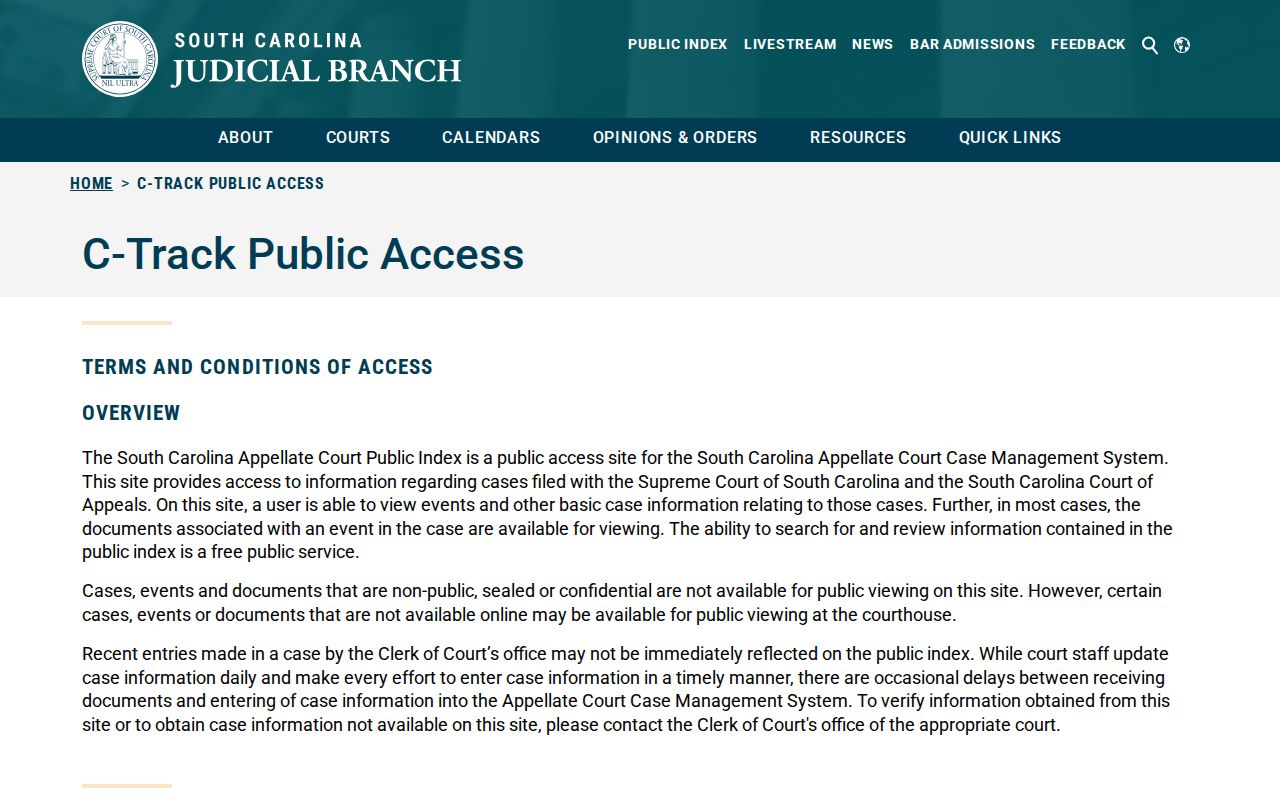
Use the right system. An appellate access page cannot verify a Marlboro County arrest warrant.
Marlboro County Arrest vs Bench Warrants
A summons directs a person to appear. An arrest warrant authorizes custody under its terms. A bench warrant usually follows a missed court date or another judicial direction. Later events can pile into the same Marlboro County case, so let the issuing clerk explain the current docket.
| Process | Usual role | First status contact |
|---|---|---|
| Arrest warrant | Judicial process based on charging procedure | Issuing court clerk |
| Summons | Orders an appearance | Court named on notice |
| Bench warrant | Often responds to a missed court obligation | Court that set the date |
Marlboro County Federal Arrest Warrant Records
Federal matters run through the U.S. District Court for South Carolina and federal law-enforcement channels. The Florence court location is separate from the Marlboro courthouse. PACER may show public docket material, though sealed filings may not appear. For federal status, use a federal clerk or a lawyer; Marlboro County court contacts cannot resolve a federal warrant. The federal court's Florence page lists its separate courthouse and clerk contact.
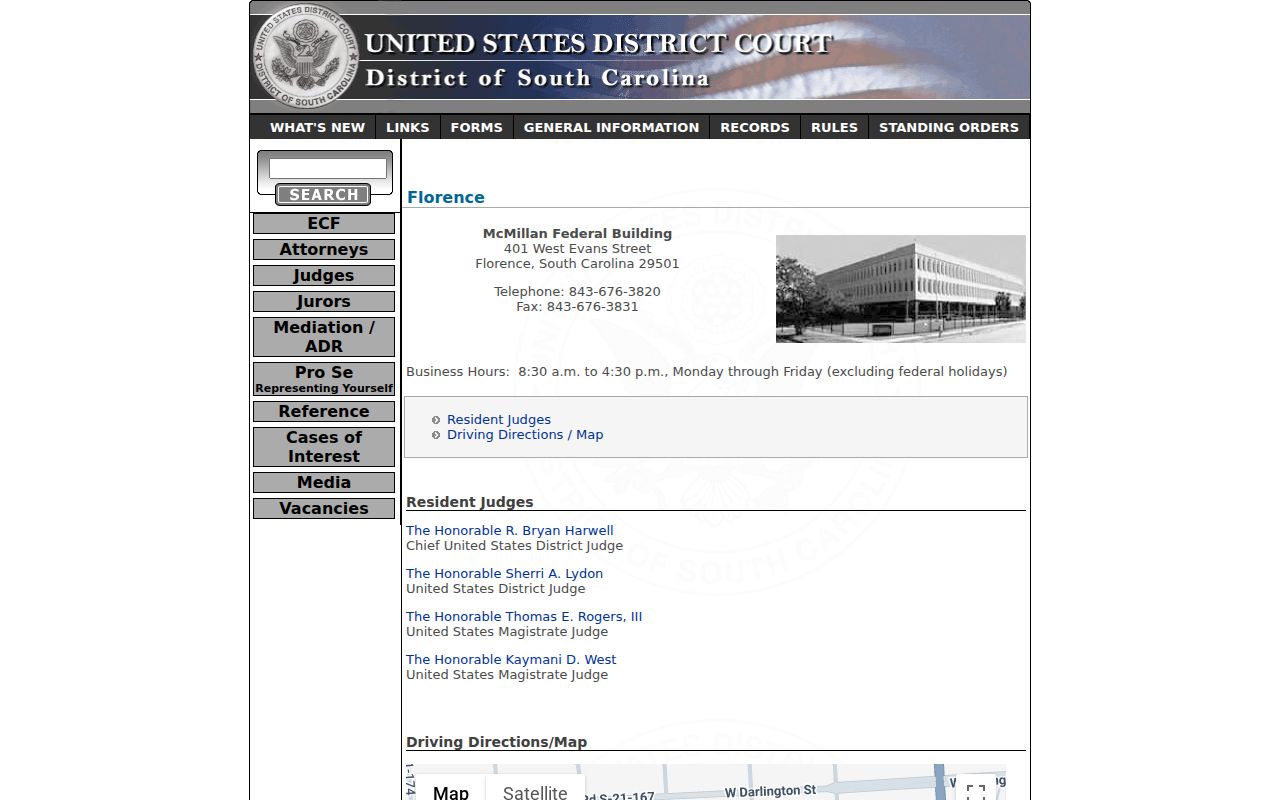
The official courthouse page gives the federal location and clerk contact. PACER explains federal docket-access charges and limits.
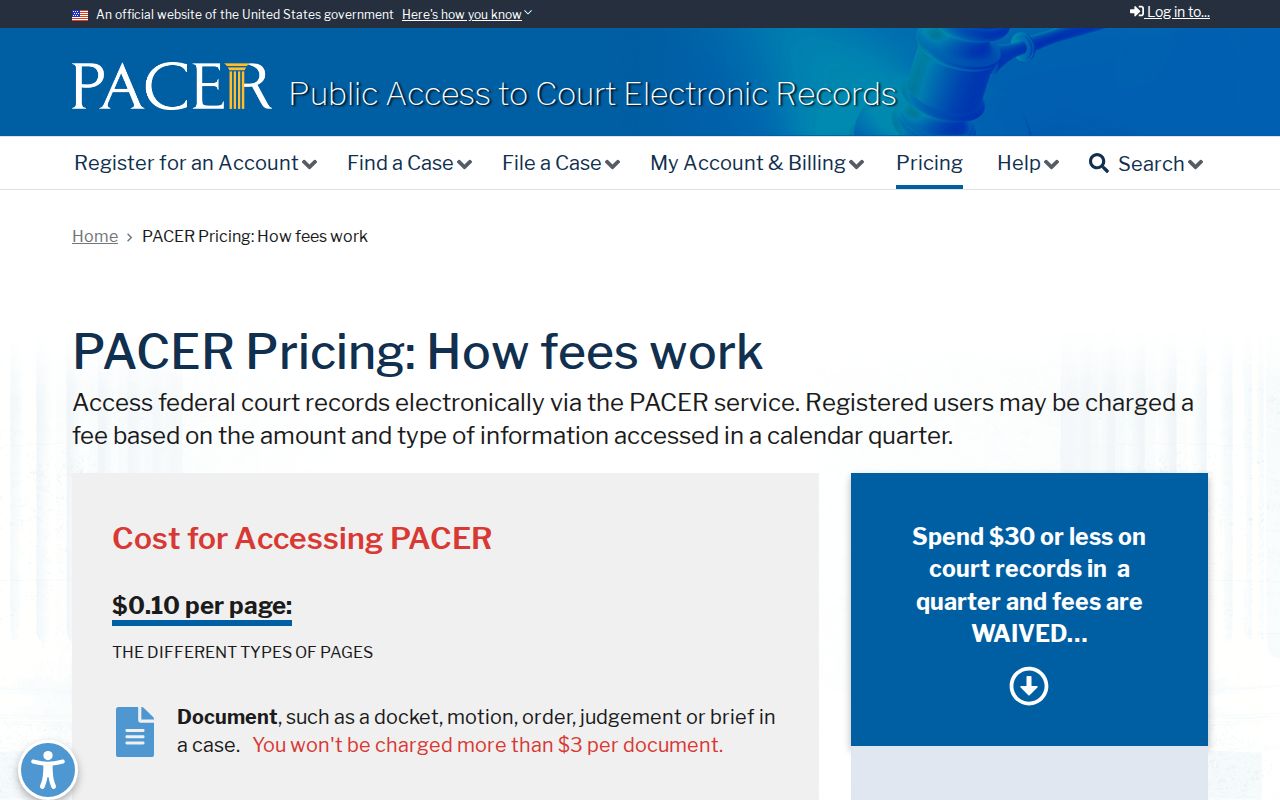
PACER pricing is a docket-access detail, not proof that a sealed warrant will display in Marlboro County or anywhere else.
Marlboro County Arrest Warrant Next Steps
Call the court named in the record and ask it to confirm current status and the next required step. A South Carolina lawyer can advise on voluntary surrender, bond, or a motion to recall or quash. No search screen or agency directory is legal advice, and none replaces the issuing court's word on a Marlboro County warrant.
Important: Get legal advice before acting on a possible arrest warrant; the issuing court controls process, and online case data may lag.
Keep any order, receipt, or clerk confirmation. Ask whether a Public Index update is expected and when to check again. If the matter began with a missed appearance, the Marlboro County bench warrant guide walks through that court process.